Didactics
Surgical Oncology Operative Conference
Every Wednesday at 8:00a
Each week, residents and faculty come together to review and discuss upcoming surgical cases in detail before they enter the operating room. These conferences provide an opportunity to analyze patient histories, imaging, and operative plans, ensuring that every case is approached with thorough preparation and evidence-based strategies. By fostering open dialogue among the surgical team, the conference promotes critical thinking, anticipates potential challenges, and reinforces best practices for patient safety and optimal outcomes. This proactive, team-oriented process not only enhances surgical planning but also serves as an invaluable educational experience for residents at all levels.
Surgical Simulation Lab (Sim Lab)
Semi-monthly - 1st and 3rd Wednesdays at 10:00a
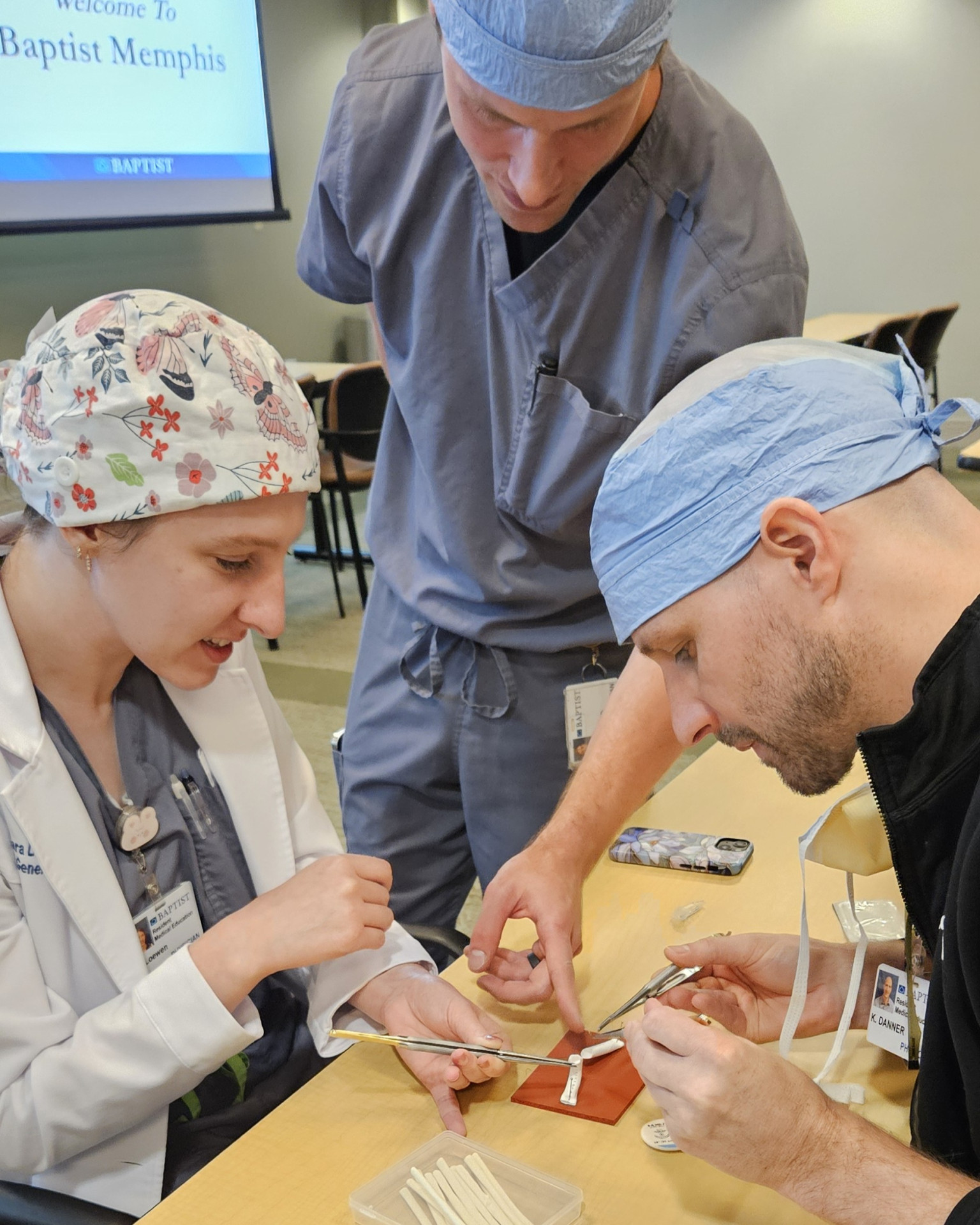
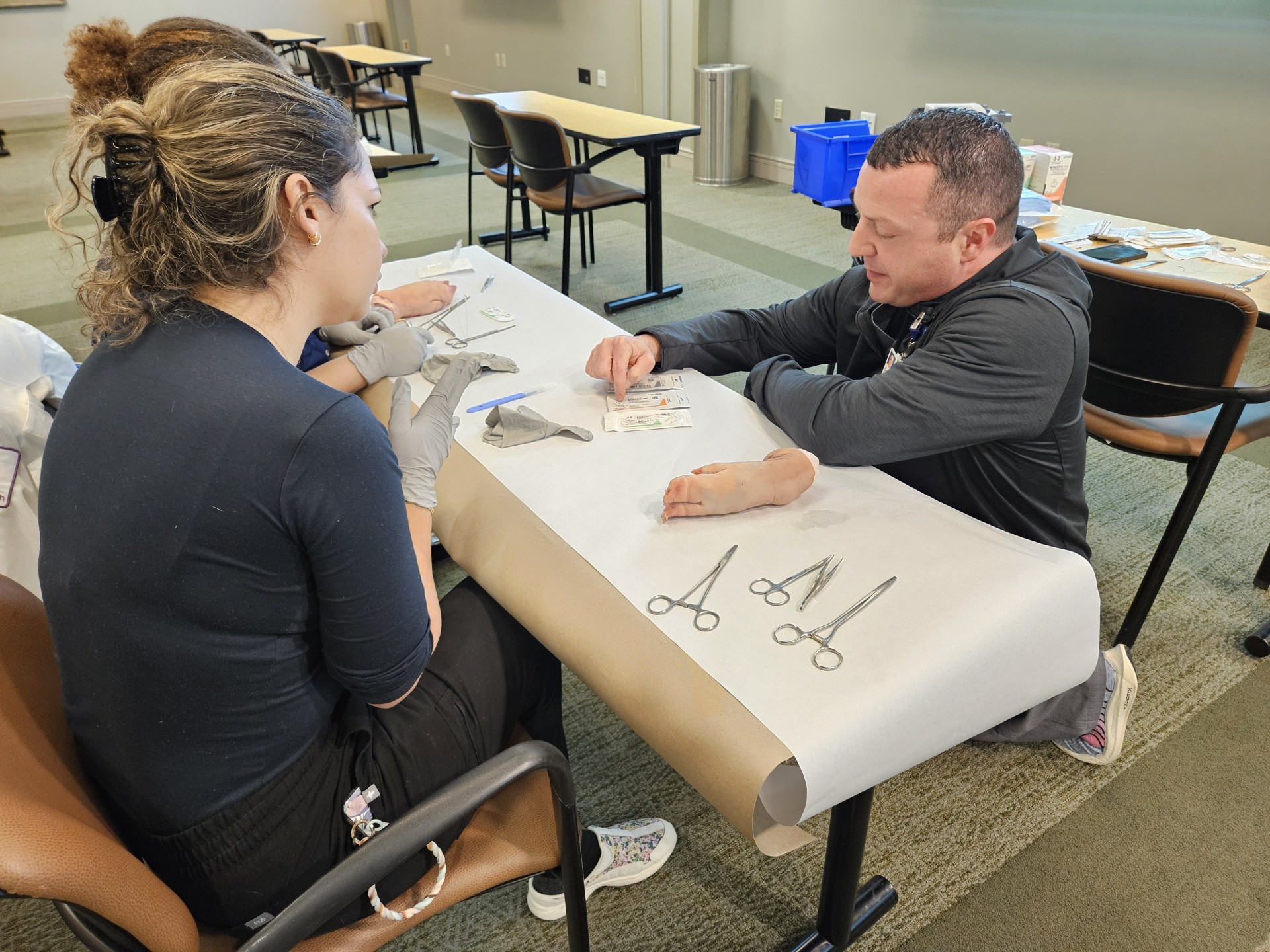
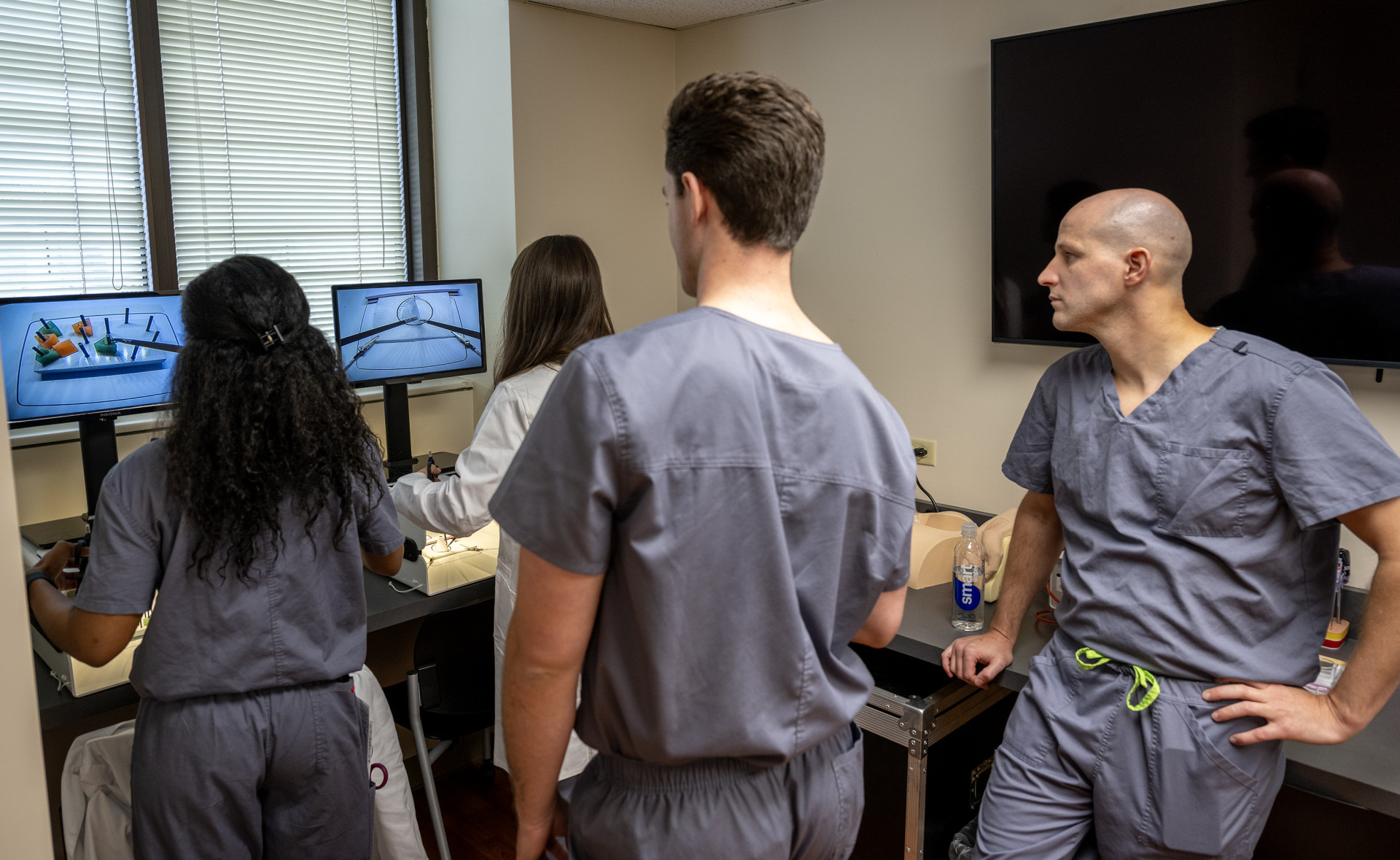
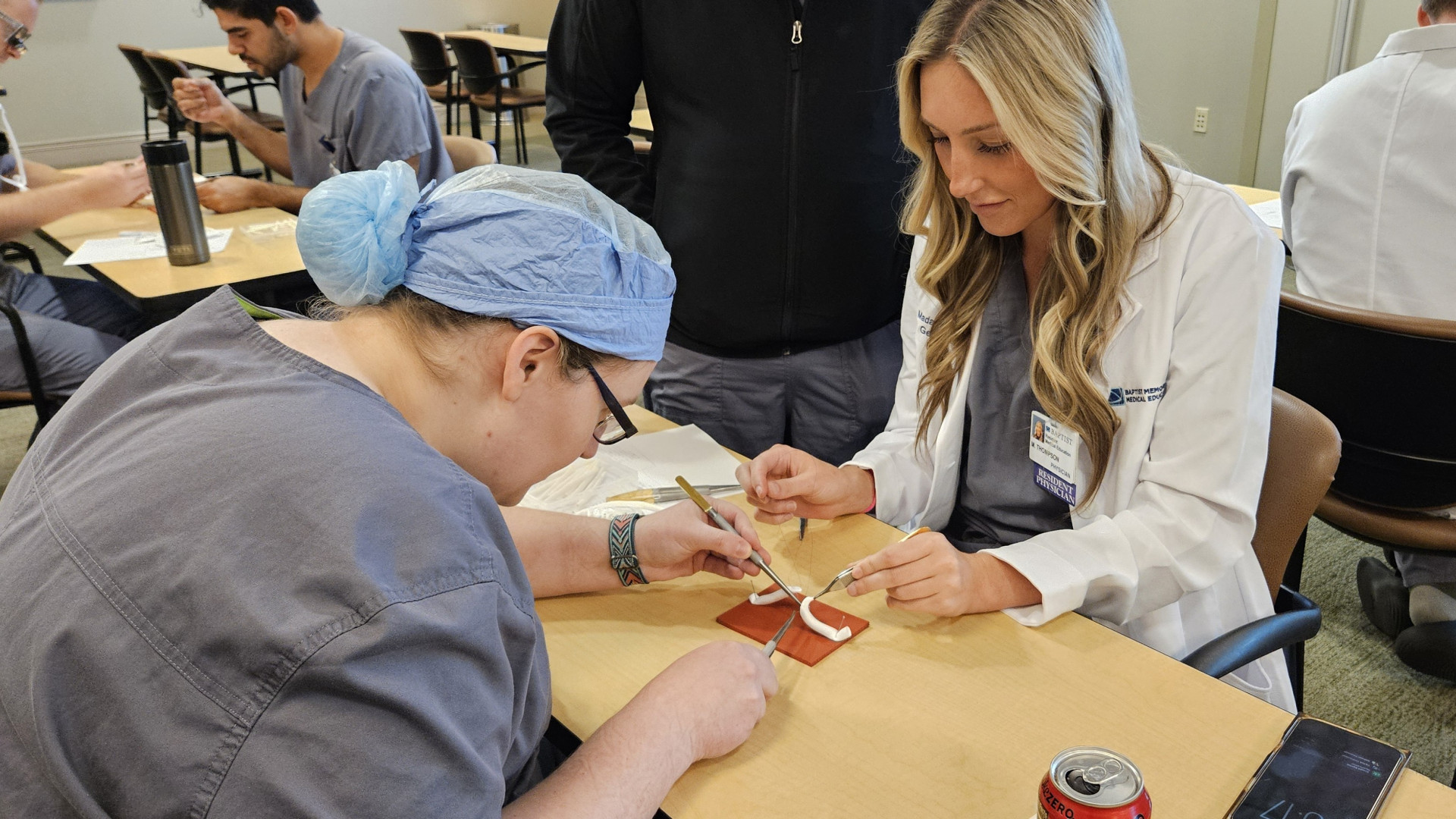
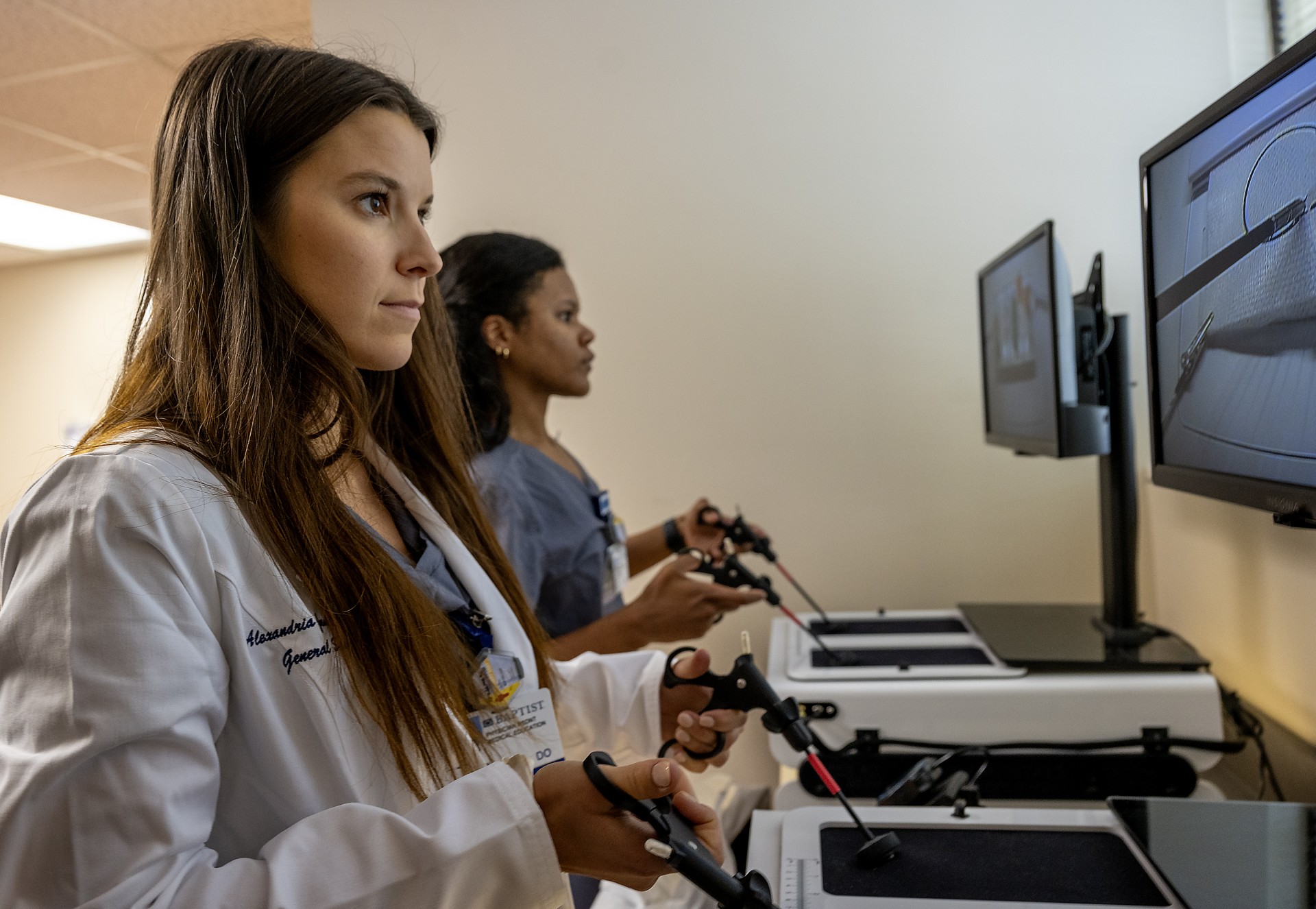
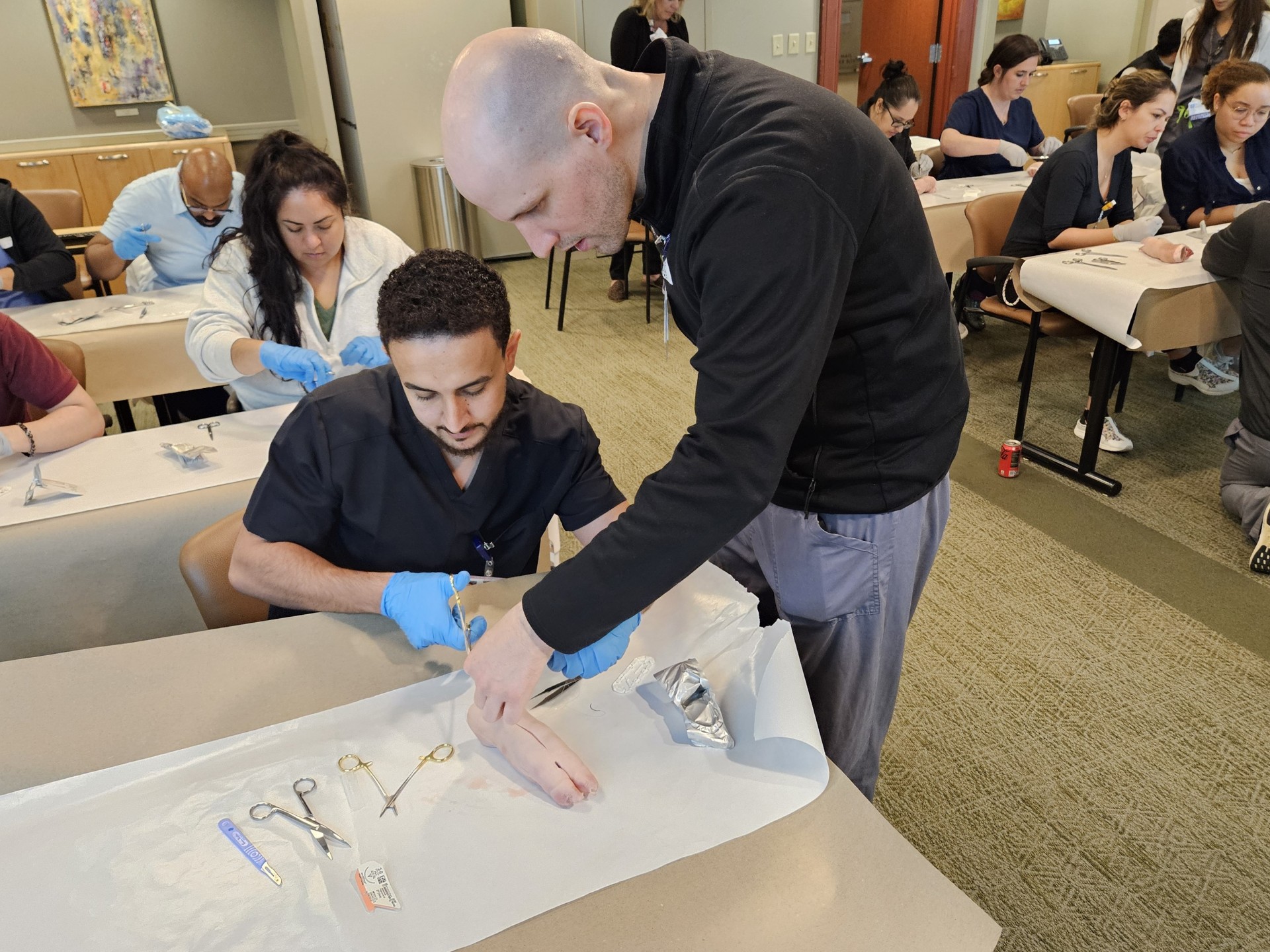
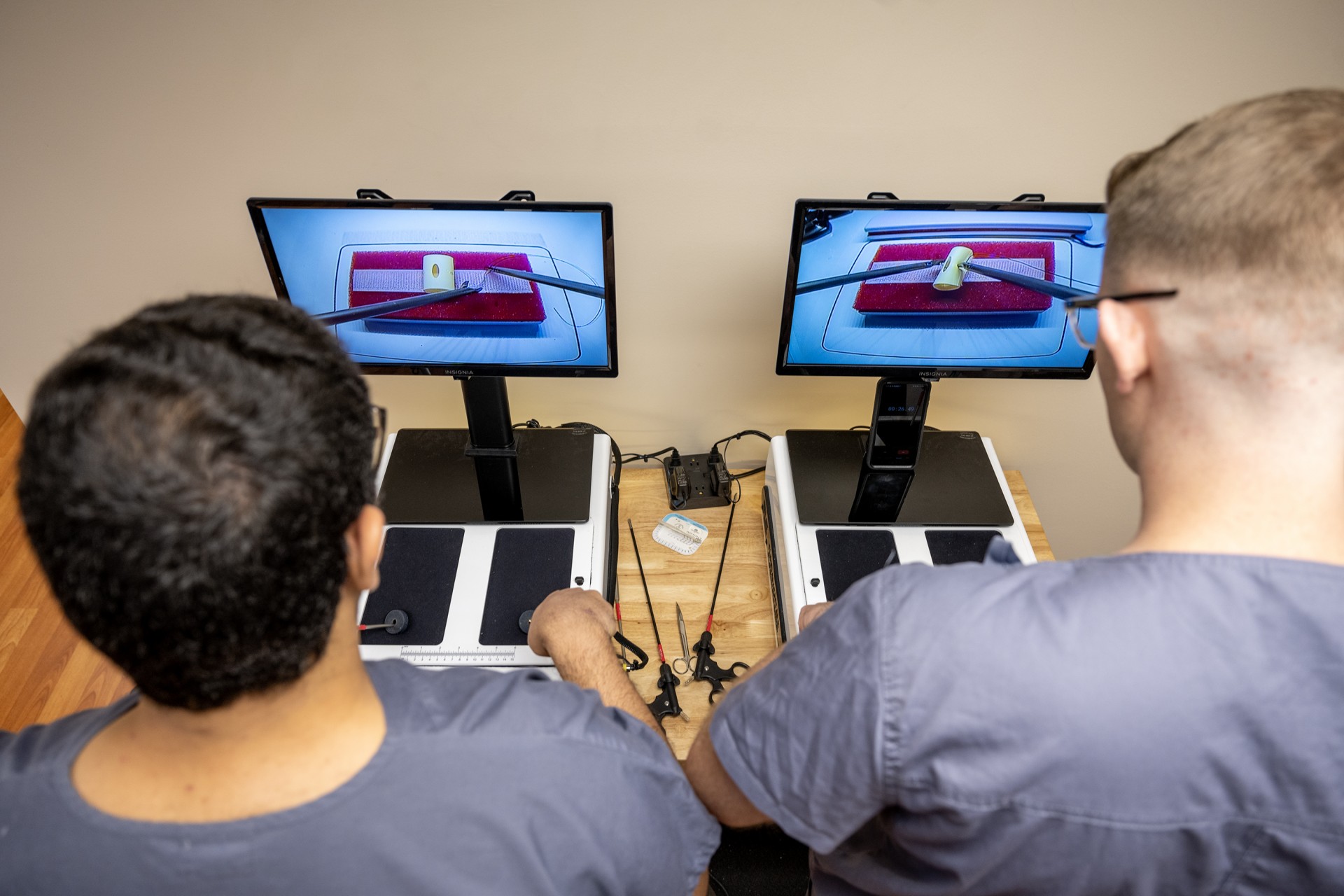
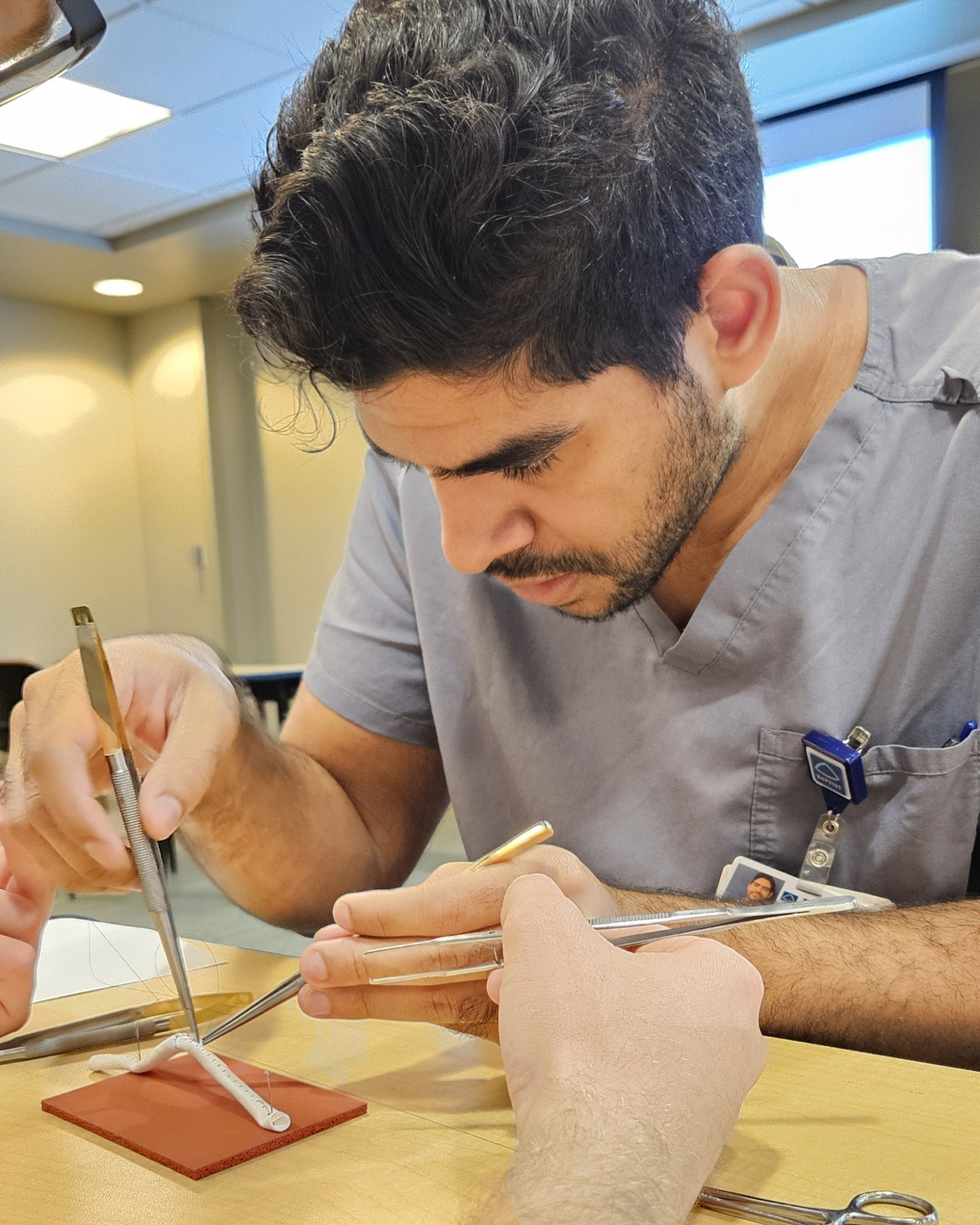
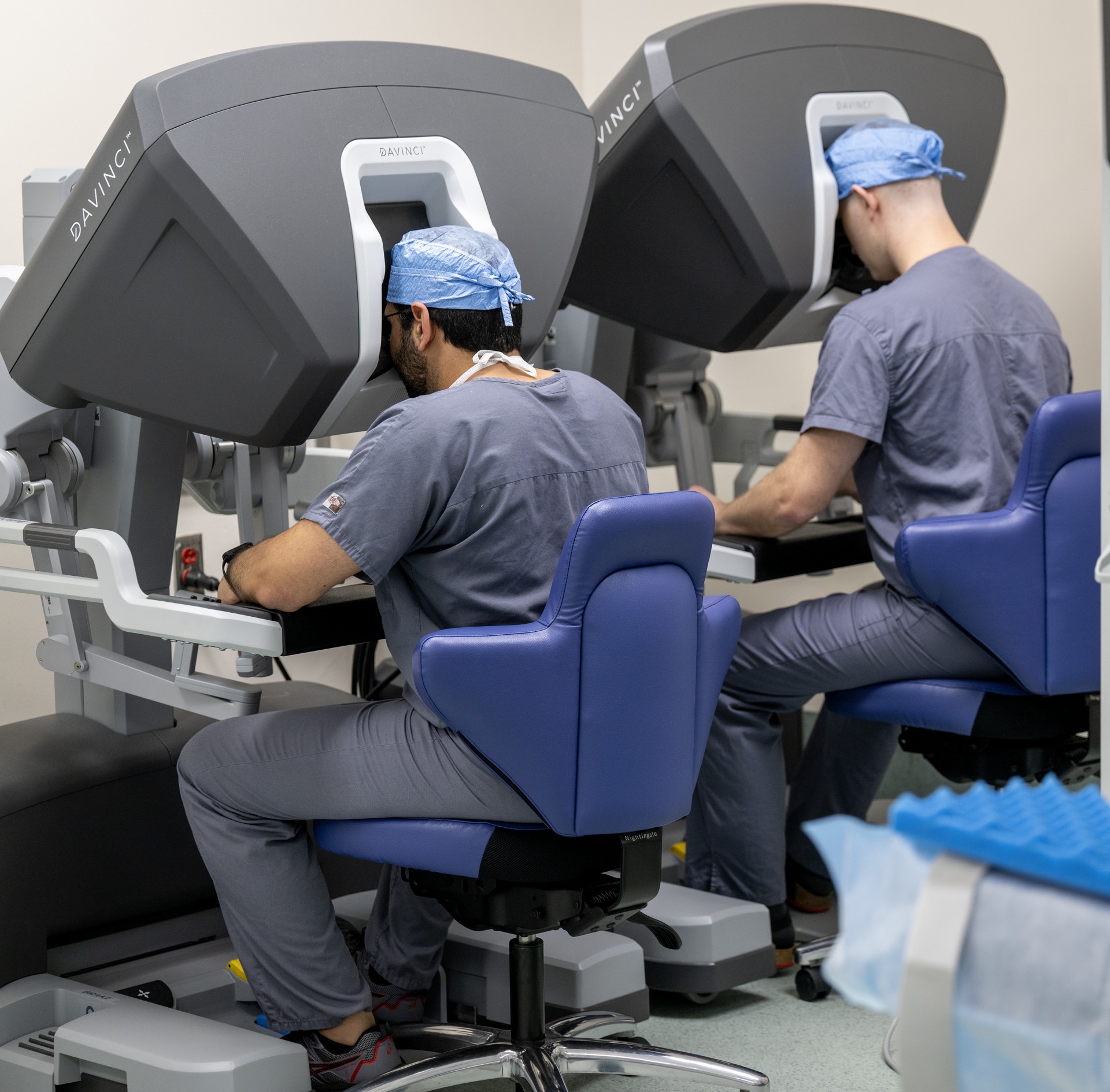
The residency is fortunate to have its own simulation lab located within the department’s educational office suite. Based on the generous financial support from the Baptist Memorial Health Care Cooptation, the program will access to the latest surgical simulation trainers and support. The labs curriculum will be designed around the three-phase American College of Surgeons “Surgery Resident Skills” program. Phase one focuses on basic intra-operative technical skills, basic laparoscopy and bed side surgical procedures. Phase two focuses on advanced laparoscopy procedures using enhanced VR simulation trainers, and preparations for successful completion of the American Board of Surgery Fundamentals of Laparoscopic Surgery (FLS) and Fundamentals of Endoscopic Surgery (FES) exams. Phase three focuses on leadership skills, crisis management and medical teamwork.
Surgical Grand Rounds (Grand Rounds)
Semi-monthly - 2nd and 4th Wednesdays at 11:00a
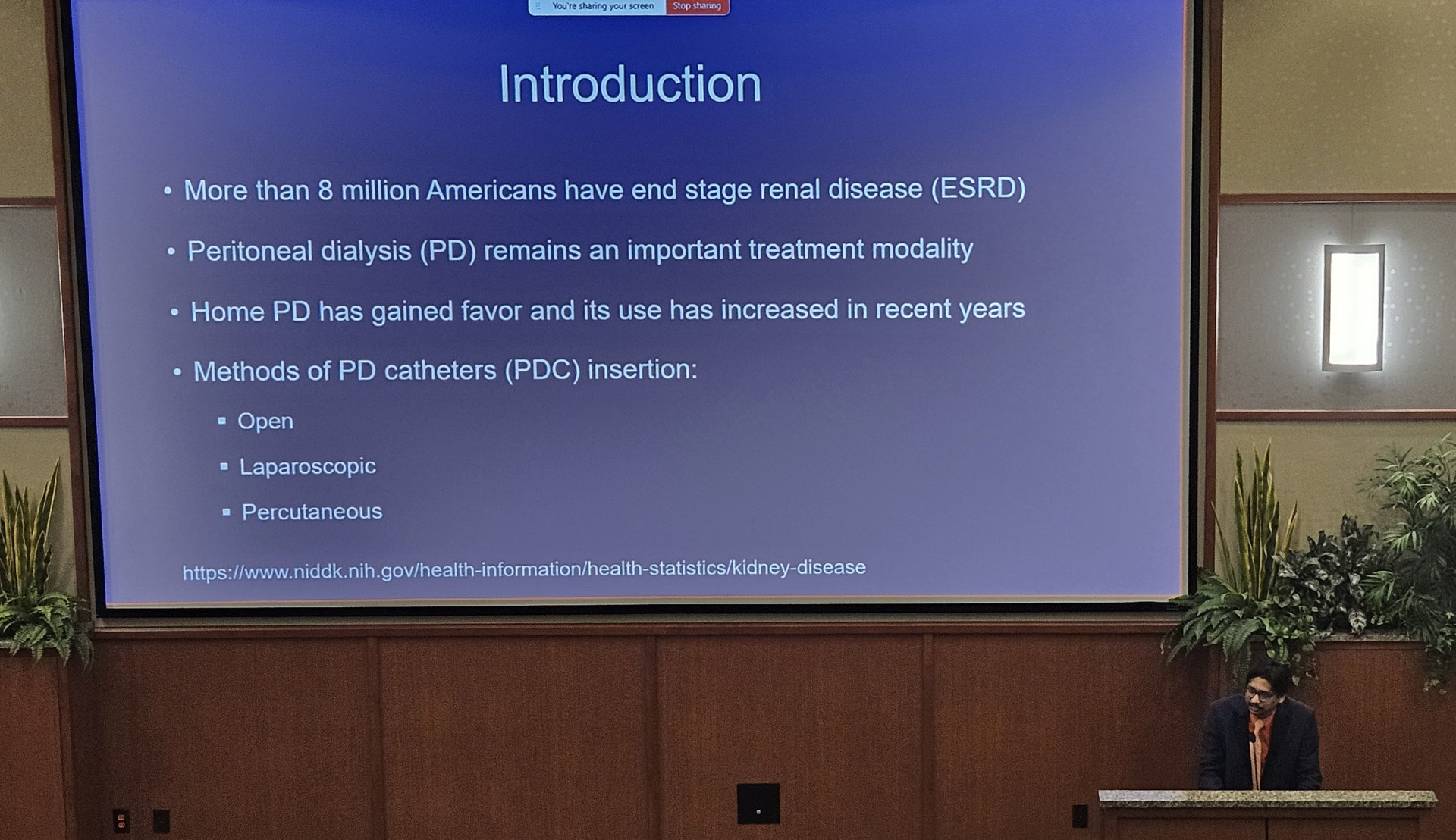
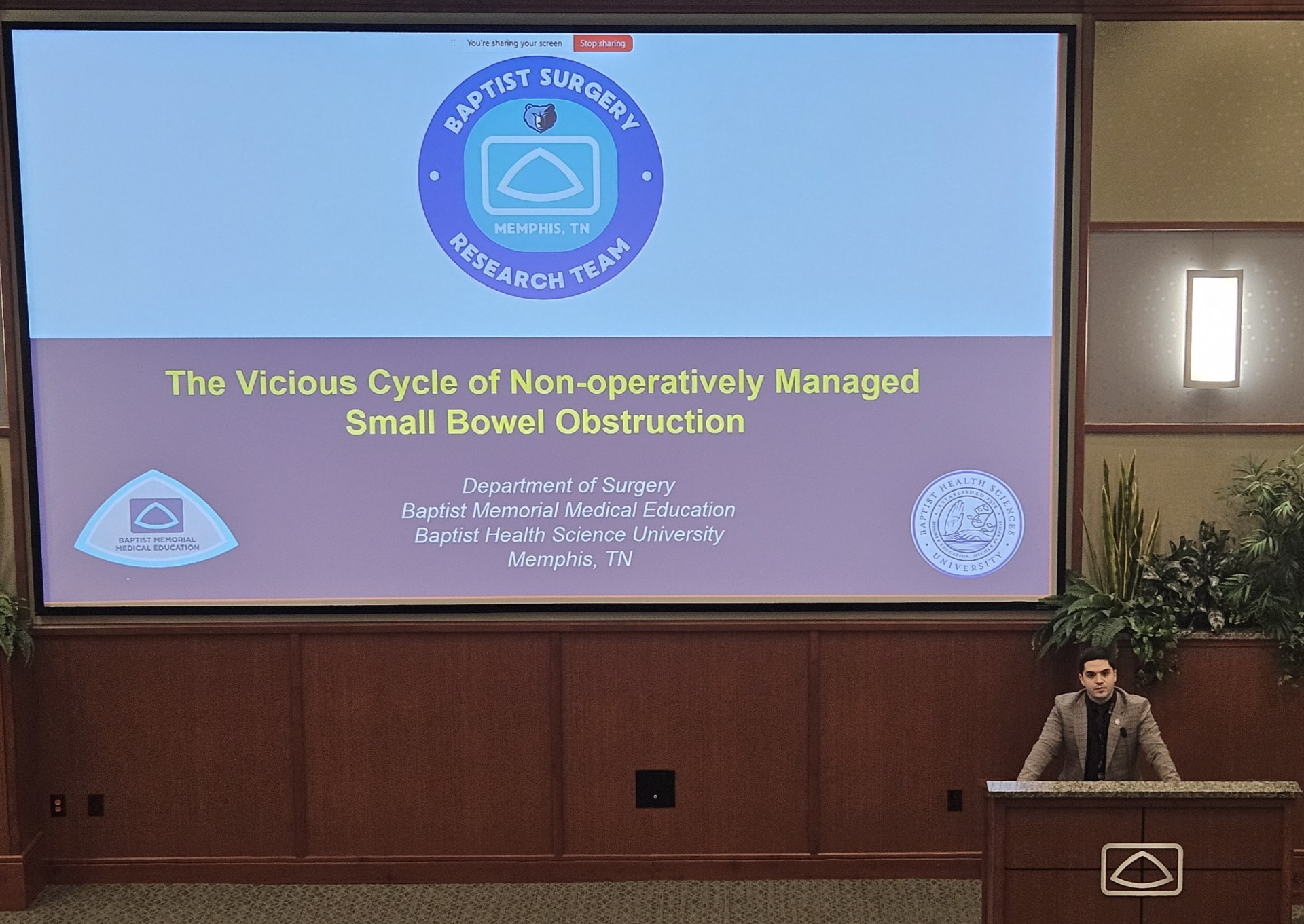
Surgical Grand Rounds provide a platform for academic exchange and professional development. Faculty, mentored residents, and guest speakers present on emerging trends, innovative techniques, and complex case management strategies. Open to the entire medical staff, these sessions encourage interdisciplinary dialogue and highlight advances in surgical science and patient care. Grand Rounds serve as an essential forum for staying current with evolving standards and fostering a culture of scholarly engagement.
General Surgery Mortality & Morbidity (M&M)
Surgeons and Surgical Residents only
Every Wednesday at 12:00p
M&M is a weekly conference for all general surgery residents and practicing surgeons in the Baptist community to discuss patient care outcomes. The goal of the conference is to identify learning points from patient care encounters and develop strategies to improve outcomes and patient experiences. Residents will be expected to prepare short case presentations and answer questions from the faculty and other residents about patient management, operative techniques and the existing medical literature as it applies to the individual case.
Basic Clinical Sciences Conference (Basic Science)
Every Wednesday at 1:00p
This is a weekly resident conference structured around the American College of Surgeons SCORE curriculum. The conference is a unification of the SCORE (Surgical Council on Resident Education) curriculum and various surgical texts, with a goal of providing all residents a strong baseline knowledge of surgical pathophysiology and the surgical treatment of disease. Residents are expected to have pre-read the appropriate sections and come to conference prepared to discuss the scheduled topics. The conference is designed to integrate the ACGME competencies of Patient Care (PC) and Medical Knowledge (MK) into a single organized year-long curriculum.
Non-Technical Skills for Surgeons (NOTSS)
The Non-Technical Skills for Surgeons (NOTSS) Lecture Series is an integral part of our residency curriculum, designed to strengthen the cognitive and interpersonal skills that complement technical expertise in the operating room. These sessions focus on four key domains—situation awareness, decision-making, communication and teamwork, and leadership—each critical to patient safety and surgical success. Through interactive lectures, case-based discussions, and simulation exercises, residents learn to anticipate challenges, make sound decisions under pressure, and foster effective team dynamics. By mastering these non-technical competencies, our trainees develop the confidence and adaptability needed to lead surgical teams and deliver exceptional care in complex clinical environments.
http://blog.medicalmalpracticeandthelaw.com/
Surgical Journal Club (Journal Club)
Monthly - 3rd Thursday at 5:30p
Surgical Journal Club sharpens residents’ ability to critically appraise surgical literature. Each session focuses on recent, high-impact studies, with residents leading discussions on methodology, statistical validity, and clinical applicability. By examining the strengths and limitations of published research, participants develop the skills necessary to integrate evidence-based practices into patient care. This conference cultivates intellectual curiosity and reinforces the importance of lifelong learning in surgery.
Surgical Oncology Multi-Disciplinary Conference (Surg Onc Multi-D)
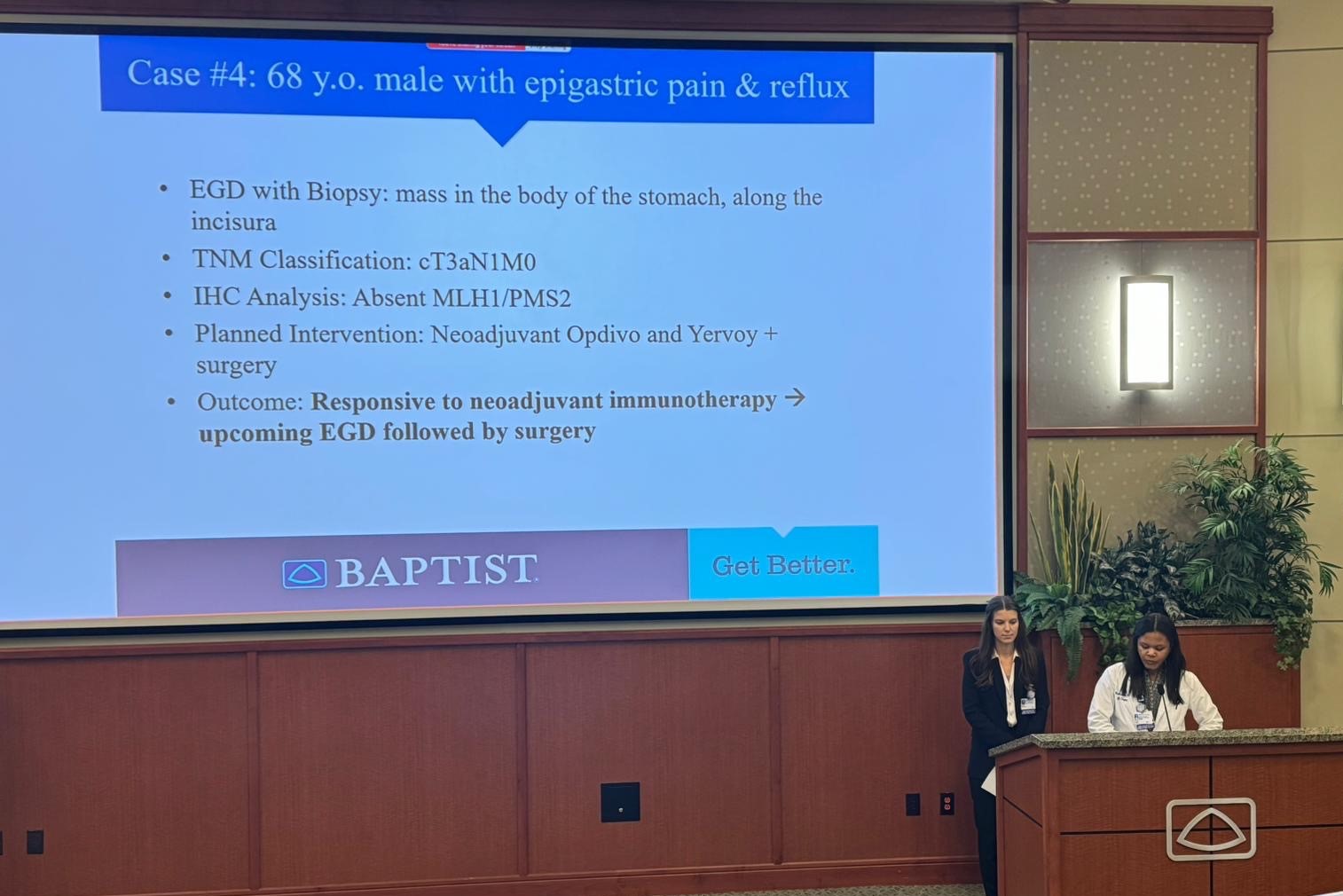
This specialized conference emphasizes comprehensive planning for complex oncologic cases. Residents and faculty collaborate with multidisciplinary teams—including medical and radiation oncologists, radiologists, and pathologists—to review patient histories, imaging, and pathology. Discussions center on operative strategies, National Comprehensive Cancer Network guideline adherence, and integration of clinical trial opportunities. By participating in these sessions, residents gain insight into tumor biology, multimodal treatment planning, and the coordination required for optimal cancer care, preparing them for leadership roles in surgical oncology.
Surgical Hepatobiliary-Interventional Radiology (HPB-IR)
The HPB–IR Conference brings together hepatobiliary surgeons and interventional radiologists to plan individualized treatment strategies for patients with complex liver, biliary, and pancreatic conditions. Case-based discussions highlight advanced imaging interpretation, minimally invasive techniques, and collaborative decision-making to optimize outcomes. Residents benefit from exposure to cutting-edge interventions and multidisciplinary coordination, deepening their understanding of both surgical and radiologic approaches to hepatobiliary disease.